
Building better health: Tackling cancer inequality
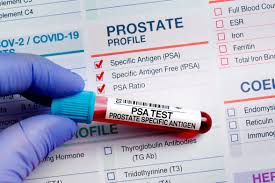 Prostate cancer is now the most commonly diagnosed cancer in the UK. Yet for men with learning disabilities, the pathway from first symptom to survival is marked by inequality. They are significantly more likely to report symptoms consistent with prostate cancer, but far less likely to receive the basic tests that could confirm or rule out the disease. Fewer referrals. Fewer biopsies. Fewer confirmed diagnoses, until it is too late.
Men with learning disabilities are being failed at some of the most critical moments in cancer care and the consequences are devastating. Behind the statistics are fathers, brothers, sons and friends who are more likely to have their symptoms missed, their concerns overlooked, and their diagnoses delayed.
These findings come from a major population-based study led by researchers at The University of Manchester and The Christie NHS Foundation Trust, funded by the National Institute for Health and Care Research (NIHR). Analysing data from nearly 30,000 men with learning disabilities and over half a million without, the research identifies clear pressure points along the diagnostic pathway where inequities emerge.
Men with learning disabilities are far more likely to be diagnosed at an advanced stage, more likely to have metastatic disease, and twice as likely to die following diagnosis. Some are diagnosed only on the day they die, a sobering indicator of missed opportunities for earlier intervention. And yet, there is an important and hopeful finding: when prostate cancer is identified early and treatment is required, men with learning disabilities receive curative therapies at similar rates to other men. Early diagnosis works equally well. The inequality lies in access, not effectiveness.
In the UK, around 1.5 million people live with a learning disability. Many face communication barriers, inaccessible information and the “overshadowing” of new symptoms by existing conditions. Reducing health inequalities is a stated priority in the NHS Long Term Plan. Campaigns from organisations such as Prostate Cancer UK and learning disability advocates show change is possible. By continuing to strengthen inclusive cancer care, our health system can show its commitment to fairness and to delivering high-quality care for everyone.