
Disconnected: Digital Diabetes care leaving key groups behind
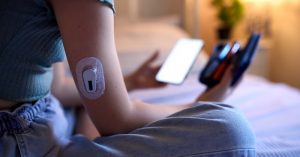 A shocking recent study has revealed a troubling digital divide in type 2 diabetes care, showing that men, Black communities and people with lower education levels are far less likely to access telemedicine.
Published in the Journal of Medical Internet Research the analysis of 16 studies and over 71,000 patients across the US, UK and the Netherlands highlights significant inequality in who benefits from digital healthcare.
“Groups already facing healthcare challenges are now being left behind digitally too,” said lead author and University of Manchester researcher Nawwarah Alfarwan. “Policymakers need to act; every 10 seconds someone dies from diabetes-related complications.”
Telemedicine, including video consults, health apps, and wearable devices has revolutionised diabetes care. But access isn’t equal.
The study found:
- Patients with higher education were 68% more likely to use telemedicine than those with less education.
- Women were 5% more likely to access it than men.
- Black patients were 45% less likely than white patients to use telemedicine.
- Older adults were 2.1% less likely to engage than younger patients.
Researchers suggest reasons include lower digital and health literacy, lack of trust, and limited internet or tech access, especially in underserved communities.
“Men are often less likely to seek help, prefer face-to-face care, and may struggle more with digital tools,” said Alfarwan.
The study also found women are more engaged with healthcare, not just for themselves but for their families.
Black patients, the authors say, often face structural barriers: poor digital access, mistrust of the healthcare system, and limited support.
“Digital healthcare must be inclusive,” said co-author Professor Maria Panagioti also from the University of Manchester. “That means tackling the root causes – from affordability to awareness.”
The team calls for tailored campaigns, improved infrastructure, and better digital education to close the gap.
“Telemedicine can transform diabetes care,” Alfarwan added. “But only if it’s accessible to everyone.”