
Study links rural plastic burning in Indonesia to rising heart risks
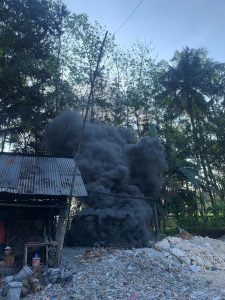 A new University of Manchester study has revealed how burning plastic waste in rural Indonesia may be increasing the risk of heart disease, offering insights that could guide future public health and environmental policy.
Led by Dr Asri Maharani in the Faculty of Biology, Medicine and Health (FBMH) and funded by the British Heart Foundation, the project focuses on villages in East Java, Indonesia, where low-quality plastic waste is routinely burned as fuel.
With no formal waste services, communities receive up to 50 tonnes of plastic each day. Families sort out recyclable paper, but unrecyclable plastics are burned to power small industries, producing thick smoke that lingers for days.
“This is a unique form of rural air pollution, and we need to understand the impact it has on long-term health,” says Dr Maharani.
In partnership with Universitas Brawijaya, the team is installing air quality sensors and analysing air samples to identify pollutants such as microplastics and dioxins. Initial readings suggest particulate levels more than 60 times higher than the World Health Organization’s recommended safe limit.
Alongside this, researchers are screening around 260 residents for health indicators linked to cardiovascular disease, including blood pressure, blood sugar, body mass index and inflammation markers. Comparing data from villages with high and low exposure will help determine how pollution from burning waste contributes to the region’s high rates of heart disease.
The findings will be shared with Indonesian health authorities and will support the country’s new national screening programme. The work also has broader relevance, providing evidence that can inform how countries, including the UK, address persistent air pollution challenges.
By uncovering the health consequences of plastic burning, this research showcases the FBMH’s global partnerships and its role in tackling environmental issues that directly affect community health.