
Building a unified response to wildfires
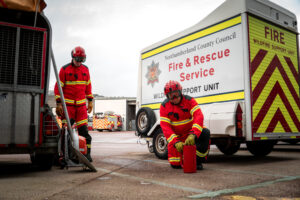 The University of Manchester is showcasing how meaningful collaboration can turn research into real-world change through its Research impact, shaped together campaign. One featured story highlights work bringing together geographers, ecologists, firefighters, land managers and modellers to help strengthen the UK’s response to wildfires — improving preparedness, informing training and supporting longer-term climate resilience.
As climate change increases wildfire risk in the UK, practitioners have often had to rely on evidence and tools developed for very different environments. To address that gap, University researchers worked closely with operational partners to identify the questions that mattered most in real-world settings, specific to the region being impacted. This led to the development of the UK’s first landscape- and fuel-specific models of wildfire behaviour, designed to reflect local terrain, vegetation and weather conditions more accurately.
The value of the project lies not only in the research itself, but in the way it was shaped. Ongoing collaboration between researchers across disciplines and practitioners helped ensure the work responded to operational needs and could be used in practice. That process supported the development of FireInSite, a web-based tool that helps users estimate likely fire spread, flame length and intensity based on fuel type, terrain and weather conditions.
The partnership is now moving into its next phase. Researchers and practitioners are continuing to refine FireInSite and exploring how the project’s models and datasets could contribute to a future UK Fire Danger Rating System, alongside wider work on public communication and climate resilience. The project is also opening up international collaborations with places facing similar wildfire challenges, including Ireland, Norway and eastern Canada.
Learn more:
- Read the full case study and watch the accompanying film here: https://www.manchester.ac.uk/research/impact/shaped-together/unified-wildfire-response/