
Celebrating 75 years of the Turing Test
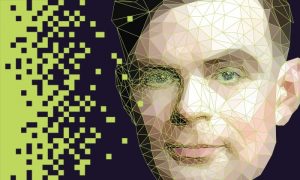 From the question that launched AI to the breakthroughs of today
Seventy-five years ago, at The University of Manchester, Alan Turing posed a question that would shape the modern world: “Can machines think?”
In his 1950 paper Computing Machinery and Intelligence – considered one of the very first papers on AI – he introduced the Turing Test – a way to see if a machine could think like us. He imagined a future where computers would be so convincing, you couldn’t tell the difference between them and humans.
Today, more than 1,600 researchers at our University are designing and using AI that tackles global challenges, transforms industries, enhances public services and improves lives. From using AI to improve menopause care in Greater Manchester, and identifying where improved water access could transform crop productivity in Ghana, to using tackling online misogyny and exploring social robots to reduce loneliness in older communities, we’re using AI to make a difference.
We believe in hybrid intelligence: AI that enhances human intelligence, rather than replaces it. We are committed to ensuring it is used responsibly, ethically and effectively – and we have the courage to confront AI’s toughest implications, with the vision to provide the answers.
We believe AI should deliver real benefits to business, public services and society. That’s why we’re investing in the people, partnerships and platforms that turn bold ideas into transformative outcomes.
Our pioneering capabilities span from the Centre for AI Fundamentals, driving the breakthroughs of tomorrow, to the Turing Innovation Catalyst – now part of our dedicated innovation platform, Unit M – which is supercharging our journey from research to impact, unleashing our full potential as the region’s leading force for AI innovation.
In every thriving AI ecosystem, there’s a university at its heart. We’re proud to shape the future of AI – for Manchester, the UK and the world.
Over the next 12 months, we’ll be celebrating both how it started – and how we continue to lead. Keep an eye out for events, stories, and opportunities to get involved, and join us as we mark 75 years of driving AI research and innovation designed to make a difference by transforming lives.